
Talk to us?
Talk to us?
Zimed Bilirubinometer are designed for the non-invasive assessment of bilirubin levels in neonates, providing a quick and painless way to monitor jaundice. Equipped with a high-sensitivity optical sensor, they measure bilirubin levels by analyzing light reflected from beneath the skin. They offer memory storage to keep records of previous readings for ongoing patient monitoring. Some models include a rechargeable battery for portable use, ensuring continuous operation in both clinical and bedside settings. Our bilirubinometer enables fast detection and management of hyperbilirubinemia, reducing bilirubin encephalopathy risks in newborns.
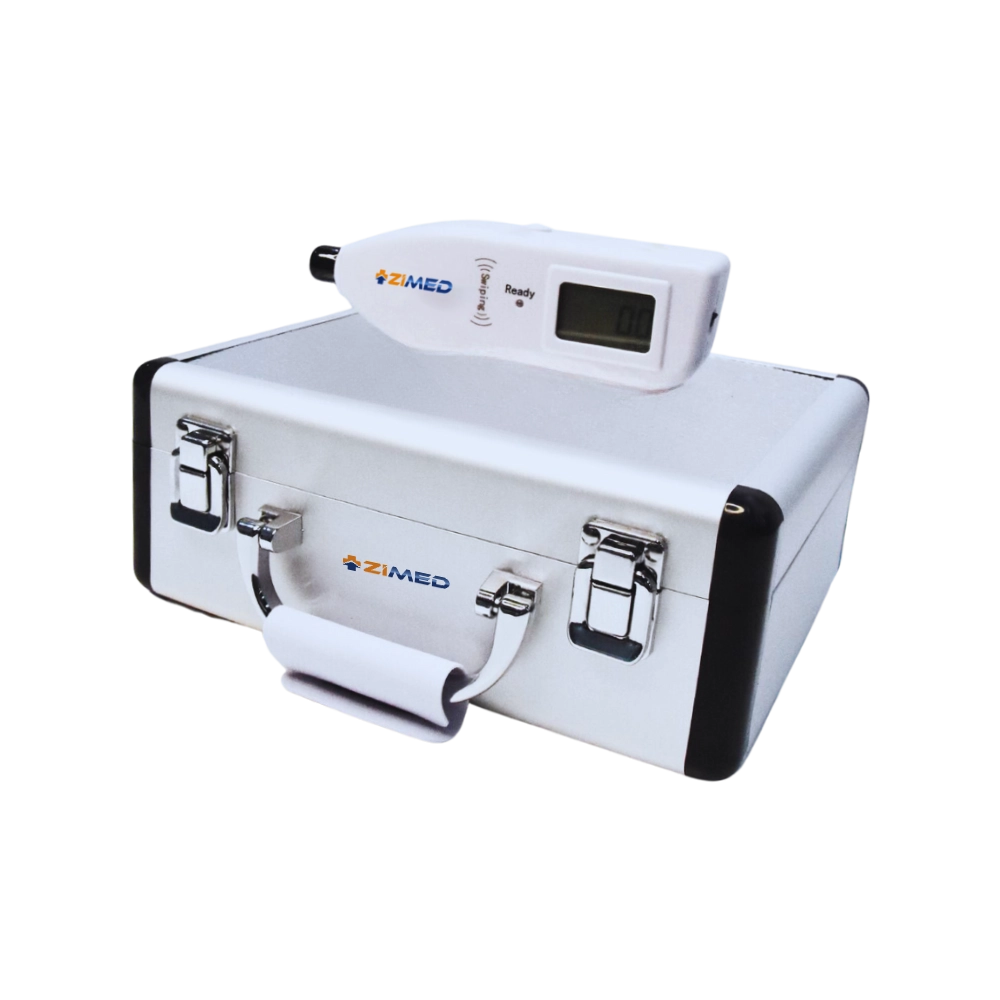
Measurement Method: Transcutaneous (non-invasive)
Measurement Range: 0.0 mg/dL to 32.0 mg/dL
Measurement Accuracy: ±1.5 mg/dL (+25.5 μmol/L)
Repeatability: <10%
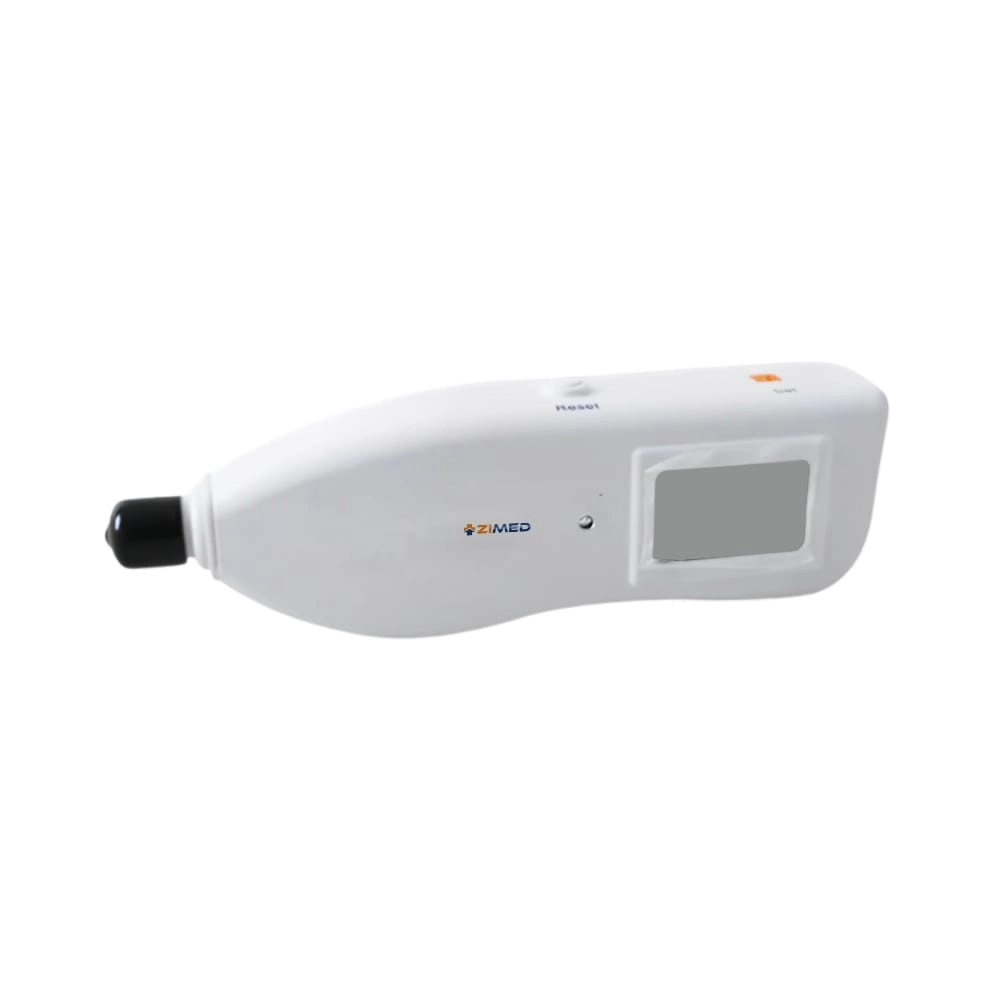
Measurement Range: 0.0 mg/dL to 30.0 mg/dL
Measurement Accuracy:
±1.0 mg/dL (0.0 to 17.0 mg/dL)
±1.5 mg/dL (17.1 - 30.0 mg/dL)
Preparation Time: < 12 seconds
Display: LCD, 3 figures
Frequently Asked Question
A bilirubinometer is a medical device used to measure the level of bilirubin in the blood, typically to assess jaundice in newborns and monitor liver function.
Measuring bilirubin levels is crucial for diagnosing and managing neonatal jaundice, liver diseases, and hemolytic disorders. High bilirubin levels can lead to complications like kernicterus if left untreated.
A transcutaneous bilirubinometer is non-invasive and painless. A serum bilirubin test requires a small blood sample, which may cause minor discomfort.
While some bilirubinometers are designed for hospital or clinical use, there are portable devices available for home monitoring under medical guidance.
Expert Help Desk